Old family photos are treasures — and treasures that quietly fall apart. We tuck albums of ancestor photos away in a drawer for years, then open them to find the prints have yellowed, cracked, or stuck to the plastic sleeves. Paper photographs are made of materials that deteriorate with time, and once the damage is severe, it can feel like there is nothing to be done.
There is. Below are the practical ways to preserve old family photos — digitizing them, restoring the damaged ones with AI, printing fresh copies, and storing the originals so they last another generation. Along the way we'll use VanceAI tools for repair and enhancement so your scans look their best.
Why old family photos deteriorate
Knowing what damages a photo tells you how to protect it. Prints fade when light bleaches the dyes, yellow when acids in cheap paper and album glue break down the emulsion, and warp or stick together in humidity. Heat speeds all of this up, and every time a print is handled, oils and dust take a small toll. The takeaway is simple: the sooner you digitize and properly store a photo, the more of it you save — because a digital copy never fades, no matter what happens to the paper.
1. Convert old family photos to digital
If you want to organize old family photos while preserving them, converting them to digital is the best first move. As long as the images aren't badly damaged, a scanning app does the job. You can download and install Google PhotoScan to scan physical photos with your phone — it removes glare automatically and saves a clean digital version. The VanceAI photo enhancer can then sharpen the scan, lifting resolution and detail in a few seconds.
After scanning, keep the files on your device or upload them to Google Photos or Google Drive. Google Photos is the more convenient option, since it lets you build albums and add dates and captions easily.
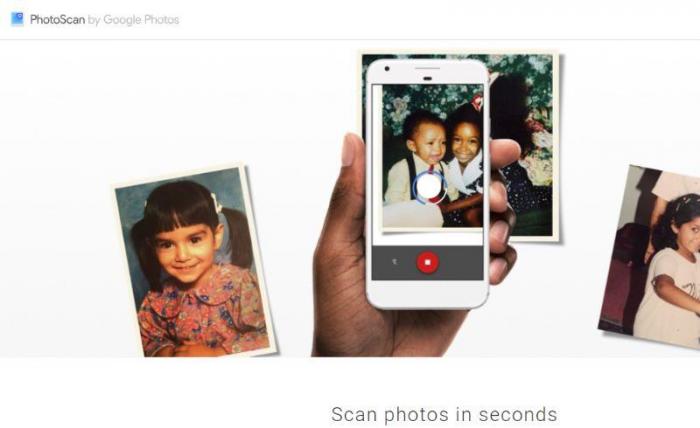
Many scanning apps, PhotoScan included, also bundle light enhancement. After scanning you can apply filters that improve the look of a print and even mask small spots that ordinary editing can't fix. With an app like Google PhotoScan, you can rest easy knowing your images are preserved and always within reach. For a fuller walkthrough of capture methods, see our guide on how to digitize photos.
2. Restore and preserve old family photos with AI
One of the most reliable ways to revive old family photos is to digitize them first, then enhance their quality. Plenty of editing and enhancement apps, online and offline, analyze an image and fix the problems they find. The old photo restoration tool from VanceAI, like Photoshop, can genuinely bring a family photo back to life. VanceAI uses advanced AI and deep-learning algorithms to finish the repair in seconds — you upload an image, start the process, and it handles cracks, scratches, dust, and fading, even on complex shots with portraits and detailed backgrounds.
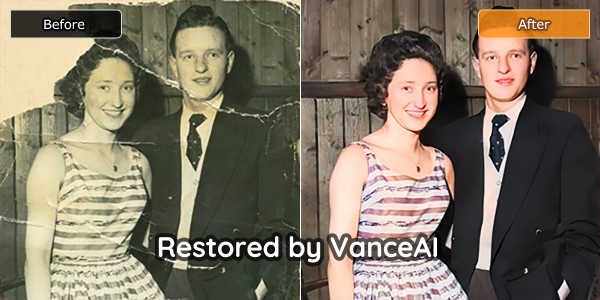
If you are interested, you can restore your image now or download it directly from the pop-up window on the right without leaving this article.
The result above comes from VanceAI, and as you can see, the tool reads the entire image in fine detail. When you find damaged family photos, you don't have to discard them — run them through an online photo restorer first and it can remove scratches from old photos in seconds. Any photo saved is a memory saved.
3. Print and share old family photos
Once a photo is digital and restored, you can enlarge it without quality loss and bring back a physical copy that looks better than the original. Printing and sharing takes a little more time than the other methods, but the result is worth it. After you convert an image to digital form with an app like PhotoScan, upload it to a framing and printing service, choose a custom size, and order delivery. Tools like Canva help you arrange photos in frames and layouts first.
You can also put old family photos on objects, not just paper — a service like Redbubble lets you print them on clothing, accessories, mugs, and more, which turns a single scan into a keepsake the whole family can share. If a scan came out too dark or too bright before printing, our guide to fix underexposed and overexposed photos helps you correct the exposure first.
4. Store the original prints properly
Digitizing protects the image, but the original print is still a piece of family history worth keeping. A few storage habits make the difference between prints that survive decades and prints that crumble:
- Use acid-free materials. Store photos in acid-free boxes, sleeves, or albums; ordinary cardboard and PVC plastic release chemicals that yellow prints over time.
- Keep them cool, dry, and dark. Aim for stable, moderate temperature and humidity, away from attics, basements, and direct sunlight.
- Handle by the edges. Skin oils mark a print's surface, so hold photos by their borders or wear clean cotton gloves for fragile ones.
- Don't use tape, glue, or rubber bands. These cause permanent staining; use photo corners instead.
Store the originals well and keep a restored digital backup, and the same photo survives both the slow damage of time and any single accident.
Conclusion
With this guide you now know how to preserve old family photos, how to organize them, and how to revitalize them. Comprehensive, automatic tools like VanceAI Photo Restorer let you upload damaged old family photos and repair them online in seconds, and free apps from Google make converting physical copies to digital straightforward — most of the process costs nothing and needs no heavy downloads. The main expense is printing, if you choose to. Old family photo prints are precious and deserve to be looked after, both as files and as paper. Also read: How to Use Myheritage Photo Enhancer.
FAQs
What is the best way to preserve old family photos?
The most reliable approach combines two steps: digitize each photo so you have a copy that can never fade, and store the original print in acid-free, cool, dry, dark conditions. For damaged photos, add a third step — AI restoration with a tool like VanceAI Photo Restorer to repair cracks, scratches, and fading before you archive the scan.
How do I digitize old family photos at home?
Use a free scanning app such as Google PhotoScan on your phone, or a flatbed scanner for the most detail. The app detects the photo's borders, removes glare, and saves a clean digital file you can store on your device or in Google Photos. Once scanned, you can enhance or restore the image with VanceAI.
Can I repair damaged old family photos myself?
Yes. AI restoration tools have made this easy — you no longer need Photoshop skills. VanceAI Photo Restorer detects and repairs cracks, scratches, dust, and fading in one click, and it sharpens faces automatically. You upload the scan, start the process, and download the restored image in seconds.
How should I store old printed photos so they last?
Keep them in acid-free boxes or albums, in a cool, dry, dark place with stable temperature and humidity. Handle prints by the edges to avoid leaving oils on the surface, and never use tape, glue, or rubber bands. Avoid attics and basements, where heat and damp cause the most damage.
Does VanceAI Photo Restorer work in a web browser?
Yes. VanceAI is an online service that runs in your browser on Windows, Mac, or Chromebook, with nothing to install. There is also VanceAI PC, a desktop version for processing large batches of photos locally if you prefer.
How much does VanceAI cost?
VanceAI uses a credit-based system rather than a one-time purchase. New users get free credits to try the tools, and you can add more with pay-as-you-go packs or a monthly subscription based on how many photos you process. Unused credits roll over and there is a money-back guarantee, so you only pay for what you use.
Will digitizing reduce the quality of my photos?
Not if you capture them well. Scan or photograph in good, even light at a high enough resolution and avoid recompressing the file repeatedly. A good scan preserves nearly all of the original detail, and AI enhancement can actually recover quality the aging print has lost.
What is the best resolution for scanning family photos?
Scan at 300 DPI for sharing and standard prints, and 600 DPI if you want to reprint photos larger or preserve maximum detail. Phone scanning apps handle resolution automatically and produce files that are good enough for albums and reprints.
How can I back up my digitized family photos safely?
Keep copies in more than one place: a local backup on your computer or an external drive, plus a cloud copy in Google Photos, Google Drive, or similar. The rule of thumb is that a photo isn't truly safe until it exists in at least two locations, so a single device failure can't wipe out your archive.
Can I print old family photos onto other items?
Yes. Once a photo is digitized and restored, print services let you put it on mugs, clothing, accessories, and canvases as well as standard paper. A service like Redbubble is handy for this, turning a single restored scan into keepsakes the whole family can enjoy.


